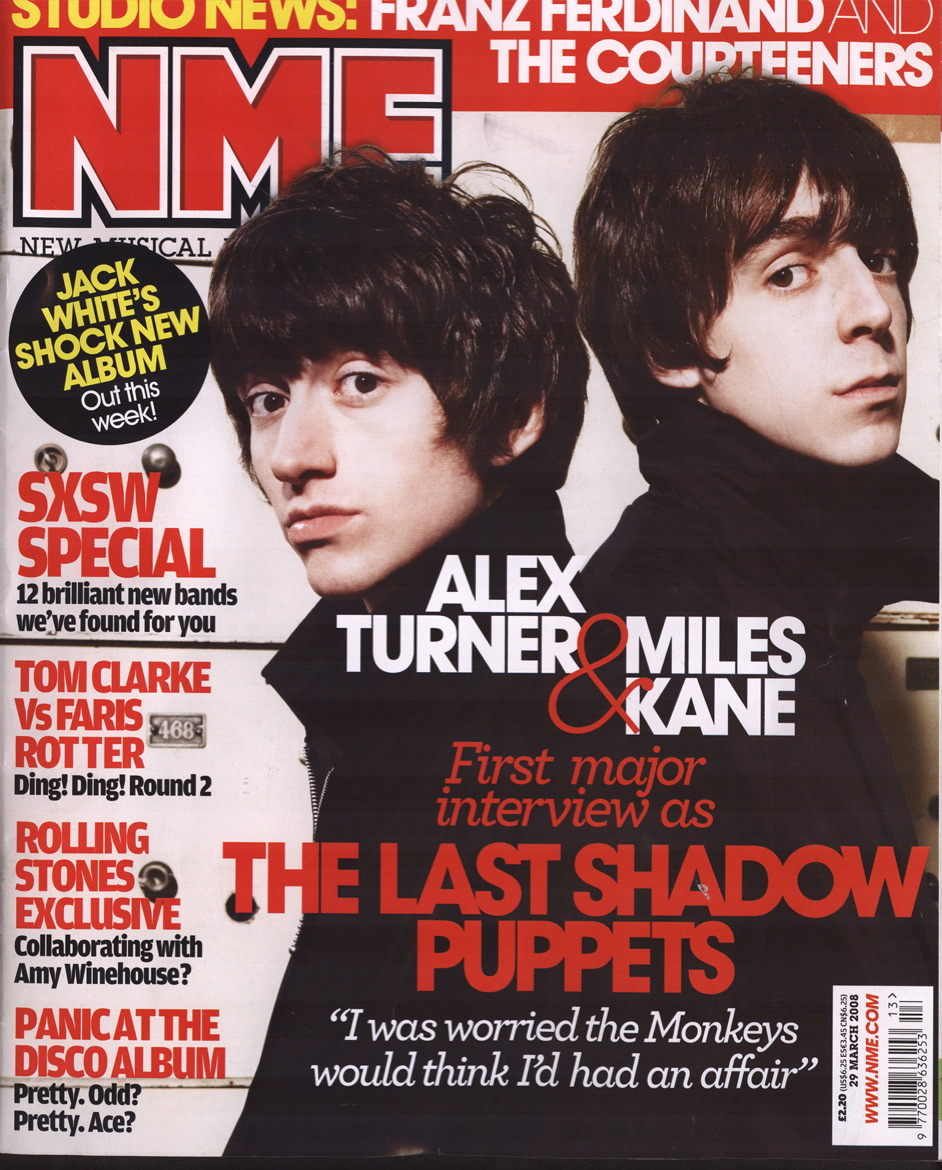
Semiotics, or semimology is the study of signs, symbols, and signification. It is the study of how meaning is created, not what it is. Below are some key semiotic terms that i need to know when producing my work.
Signifier: any material thing that signifies, e.g., words on a page, a facial expression, an image.
Signified: the concept that a signifier refers to.
Sign: the smallest unit of meaning. Anything that can be used to communicate (or to tell a lie).
Symbolic (arbitrary) signs: signs where the relation between signifier and signified is purely conventional and culturally specific, e.g., most words.
Iconic signs: signs where the signifier resembles the signified, e.g., a picture.
Indexical Signs: signs where the signifier is caused by the signified, e.g., smoke signifies fire.
Denotation: the most basic or literal meaning of a sign, e.g., the word "rose" signifies a particular kind of flower.
Connotation: the secondary, cultural meanings of signs; or "signifying signs," signs that are used as signifiers for a secondary meaning, e.g., the word "rose" signifies passion.
Signified: the concept that a signifier refers to.
Sign: the smallest unit of meaning. Anything that can be used to communicate (or to tell a lie).
Symbolic (arbitrary) signs: signs where the relation between signifier and signified is purely conventional and culturally specific, e.g., most words.
Iconic signs: signs where the signifier resembles the signified, e.g., a picture.
Indexical Signs: signs where the signifier is caused by the signified, e.g., smoke signifies fire.
Denotation: the most basic or literal meaning of a sign, e.g., the word "rose" signifies a particular kind of flower.
Connotation: the secondary, cultural meanings of signs; or "signifying signs," signs that are used as signifiers for a secondary meaning, e.g., the word "rose" signifies passion.